Hotels: Expensive energy forces savings

tourism
The enormously increased energy costs are now also increasingly causing difficulties for domestic hoteliers. Expensive energy has developed into a cost factor, especially in the upper category, which is forcing hoteliers to make savings.
How to save energy without the guest knowing too much?: This is a question that is currently on the minds of many in the industry, said the President of the Austrian Hotel Association, Walter Veit, at the ÖHV annual congress, which was held in the city of Salzburg this year. Veit referred to a recent study by Prodinger Tourismusberatung.
“In the past, energy costs in the hotel industry accounted for four to six percent of the total costs – depending on the wellness equipment. Now this proportion is approaching ten percent. And that is really a critical limit,” complains Veit.
“Water temperature in the indoor pool lowered by two degrees”
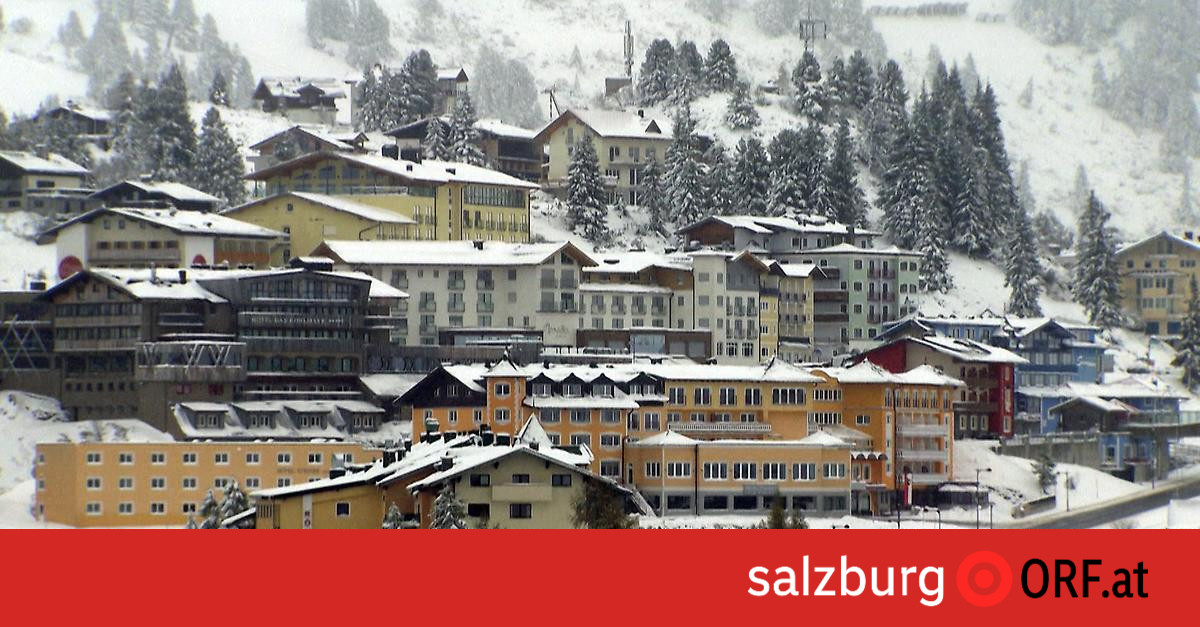
Because the costs for construction investments, for food and, last but not least, interest on loans have also risen massively. Attempts are being made to take countermeasures, at least when it comes to energy costs – that’s exactly what he’s doing in his hotel in Obertauern, says Veit.
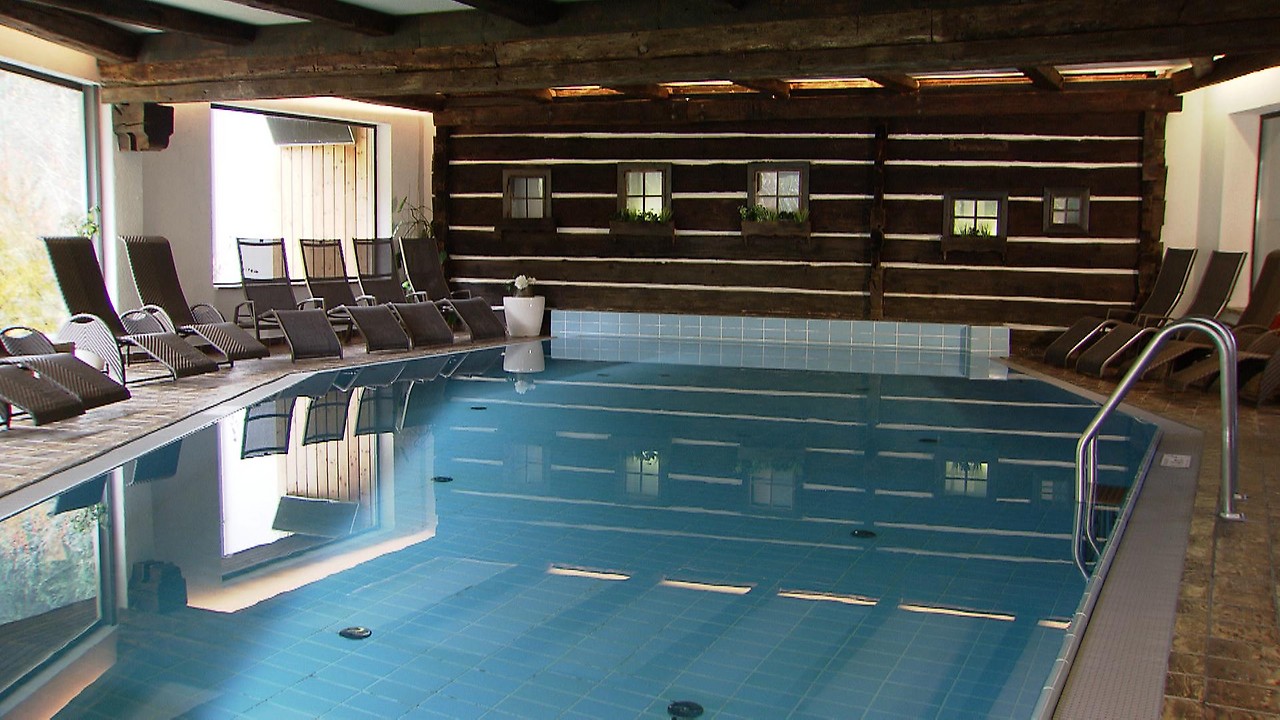
“In our hotel indoor pool we have increased the water temperature from 32 to 30 degrees. There weren’t any complaints. Our sauna landscapes no longer all switch on at midday, but staggered as the guests come back from skiing. And the guests showed understanding for that as well.”
“There is still a lot of potential in renewable energy”
Compared to the inflation, such measures are anyway just the proverbial drop in the ocean, emphasizes Veit. “Such measures reduce energy costs by ten, in the best case by up to 15 percent. Of course, that doesn’t matter much when energy prices have tripled in some cases. But we do what we can. I still see a lot of potential in renewable energy. But this requires significantly faster approval procedures,” says Veit.