Germany 1920s Teatro della Pergola – Florence

seen on Sunday 19/12
Germany 20s is an intriguing, extremely engaging, rhythm and show
the musicality mark the time; the choice immediately stands out that to bring the
history is not only the theatrical means, but, as always happens, Giancarlo Sepe uses himself
certainly the inspirations that come from cinematography; language is
ambivalent, the theatrical and the cinematographic ones, and in a harmonious way they dialogue
among them. The director himself confesses "I do theater because I love cinema. Cinema is
important because it teaches you the use of music, the use of light, the absences, the fades. As Hitchcock said, cinema for me is life without downtime. AND
this must be kept in mind. On the other hand, dead times reign in the theater"
What emerges is a product of beauty that fascinates, the choral scenes
they are orchestrated by talented actors of the company La Comunità, which they succeed with
great skill in talking also in German. Yes, the director’s choice is that of
make a show almost entirely in German (and without subtitles)
interspersed with some monologue in English. The fact that the actors are good e
that in any case the direction manages to involve the viewer certainly compensates for the
language barrier even if at times the public may have liked to be able to enjoy
even the understanding of some phrases in order to understand more
depth is the story narrated that certainly from the historical point of view is dominant
public but not the specific one that makes the characters come alive.
The story takes place at the end of the First World War, we are in a Germany
devastated by war, misery and fear. The Weimar Republic has failed
and soon the German people will rely on Nazism.
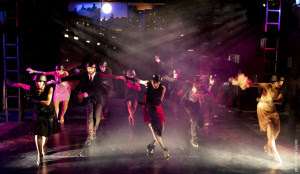
Not only the scenography with its tall and dark buildings, but also the light manages to
tell the feeling that animates the characters, dim light and blue predominate e
it seems a long night has fallen. The restlessness spreads to the rhythm of music
in the original language, it almost seems to attend a dark musical in tints
expressionists. Music is not a background or a frame, it becomes it too
hero.