Gdańsk – the official website of the city

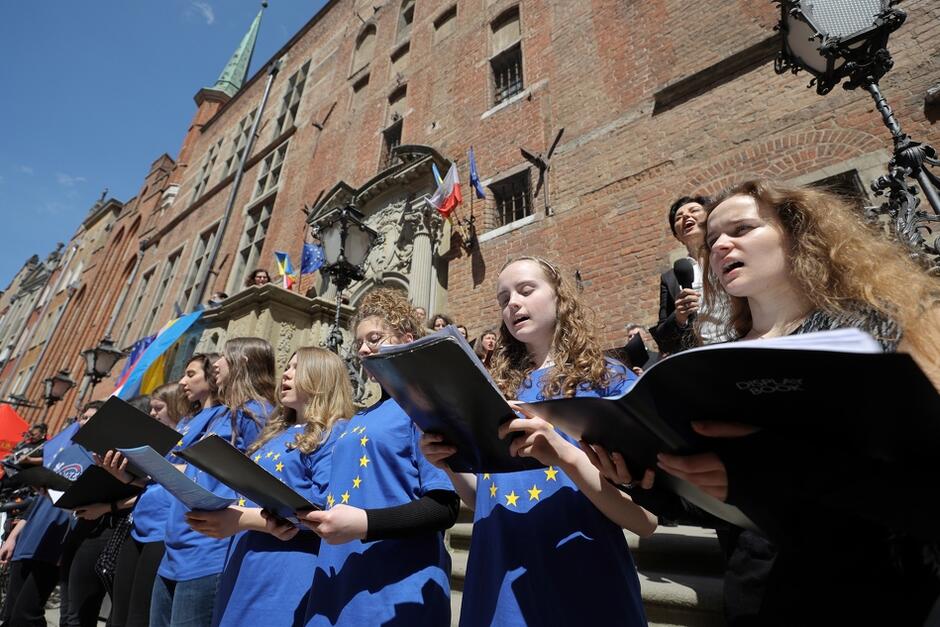
The Europe Day in Gdańsk was celebrated with publishing singing
Photo Grzegorz Mehring / www.gdansk.pl
The right place on the spot, ul. . This year, we will add to the set of those for years already sung in Europe in queues on the occasion of the Day, and additionally the anthem of Ukraine – as a sign of support for our neighbors in their pursuit of a model in the European Union.
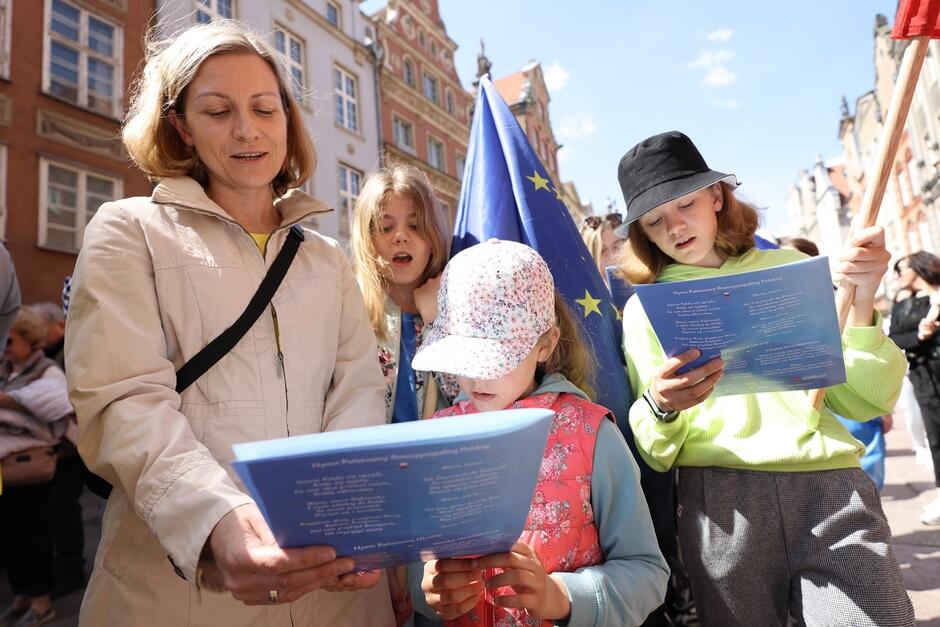
Adapters were available on site
Photo Grzegorz Mehring / www.gdansk.pl
– When I look at the blue and yellow Ukrainian flags and the yellow flags of the European Union today, you can see that they have other common ones – squares Aleksandra Dulkiewicz, Mayor of Gdańsk opening. – With our anxiety in our hearts, we have been looking at what is happening just abroad for almost three months. We experience this attack on Ukraine in our homes, this one as best we know our Ukrainian brothers and sisters. These two anniversaries are symbolically at home: the end of the second, second anniversary of the great tragedy, which responded with the emergence of the European Union, for the main value of peace is to safeguard peace, but for several years now it has also had the slogan – united in accessibility.
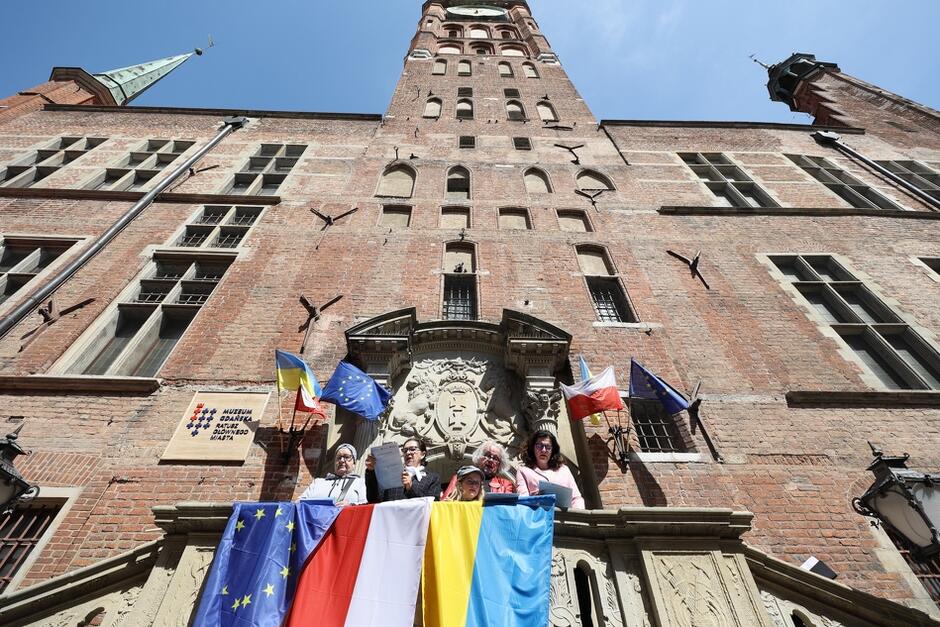
From the left: Henryka Krzywonos-Strycharska, MP, Małgorzata Chmiel, MP, Andrzej Stelmasiewicz, Gdańsk City Councilor with his daughter, and Aleksandra Dulkiewicz, Mayor of Gdańsk
Photo Grzegorz Mehring / www.gdansk.pl
The president reports that in Poland this slogan of the paper has been in practice from 18 years to the first year of the country’s presence in the EU.
– Thinking about the Union, we may have investments that have been obtained thanks to the control of a very important opinion, but the European Union for people who value themselves, peace, democracy, freedom, the rule of law, rights and wealth. I am glad that today we will sing these hymns to join you in this community of values.
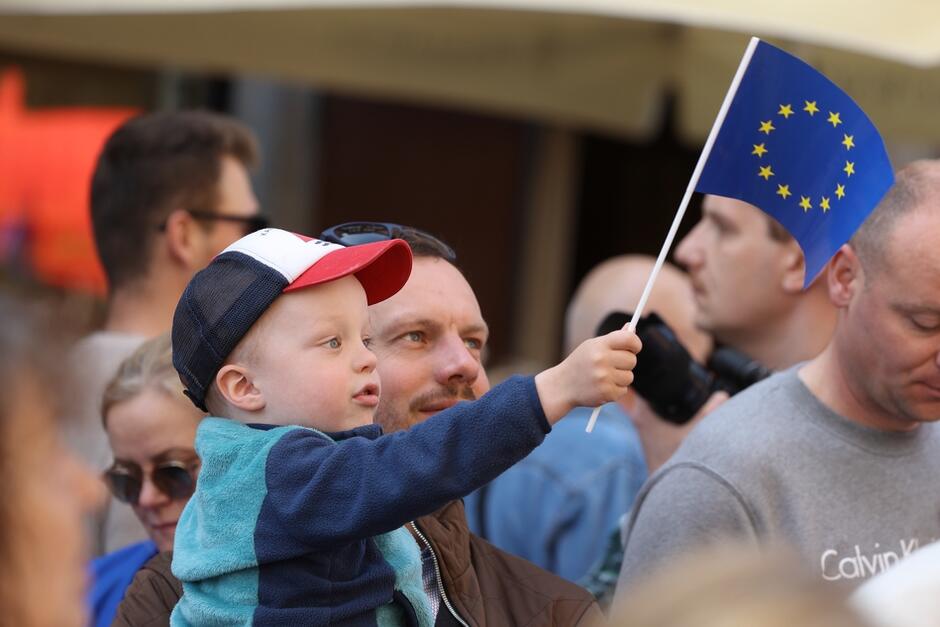
Poland has been in the European Union for 18 years
Photo Grzegorz Mehring / www.gdansk.pl
The street choir of Gdańsk and Pomeranian residents was conducted by the choirmaster prof. Agnieszka Franków-Żelazny with the accompaniment of the Cappella Gedanensis Choir, the Choir of the 1st Secondary School in Gdańsk Musicalove and the Singing Society of them. Karol Szymanowski in Gdańsk.
The singing of the three hymns was confirmed by the formation of the Peace March for Ukraine, the participants of which, holding Ukrainian, Polish, Belarusian and European flags, walked the main streets of Gdańsk at Plac Solidarności.
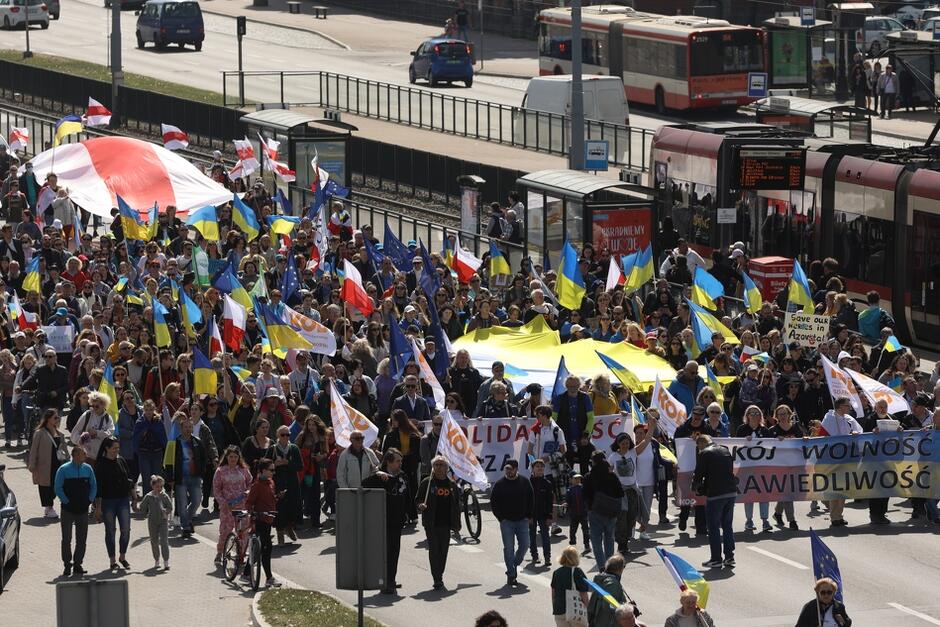
The march to hunt down the common common room sings
Photo Grzegorz Mehring / www.gdansk.pl
May patriotic campaigns. PROGRAM from 8 to 18 May
SEE HOW IT WAS Sung for a long time
FILM TRANSMISSION